The short answer
Solid wall insulation comes in two forms, and external wall insulation is one of them. External (EWI) typically costs around £90–£150 per square metre installed, working out at roughly £8,000–£15,000 for a three-bed semi. Internal (IWI) is usually a little lower per square metre but reduces room sizes slightly and disrupts the inside of the home. EWI suits most solid-wall houses because it does not lose internal space and keeps the walls warm, while IWI can suit flats, listed frontages or where the external appearance must be preserved. Solid walls are common in homes built before the 1920s, which lose far more heat than cavity walls — making them the main candidates for either approach. Grants can apply to both where you qualify.
If your home has solid walls — typically pre-1920s — you can insulate them externally or internally. The two differ on cost, space and disruption. Here is how they compare.
At a glance
- External (EWI)~£90–£150 / m² installed
- Three-bed semi (EWI)~£8,000–£15,000
- Internal (IWI)often a little lower / m²
- Best for most homesexternal (no lost space)
- Main candidatessolid-wall homes pre-1920s
External vs internal
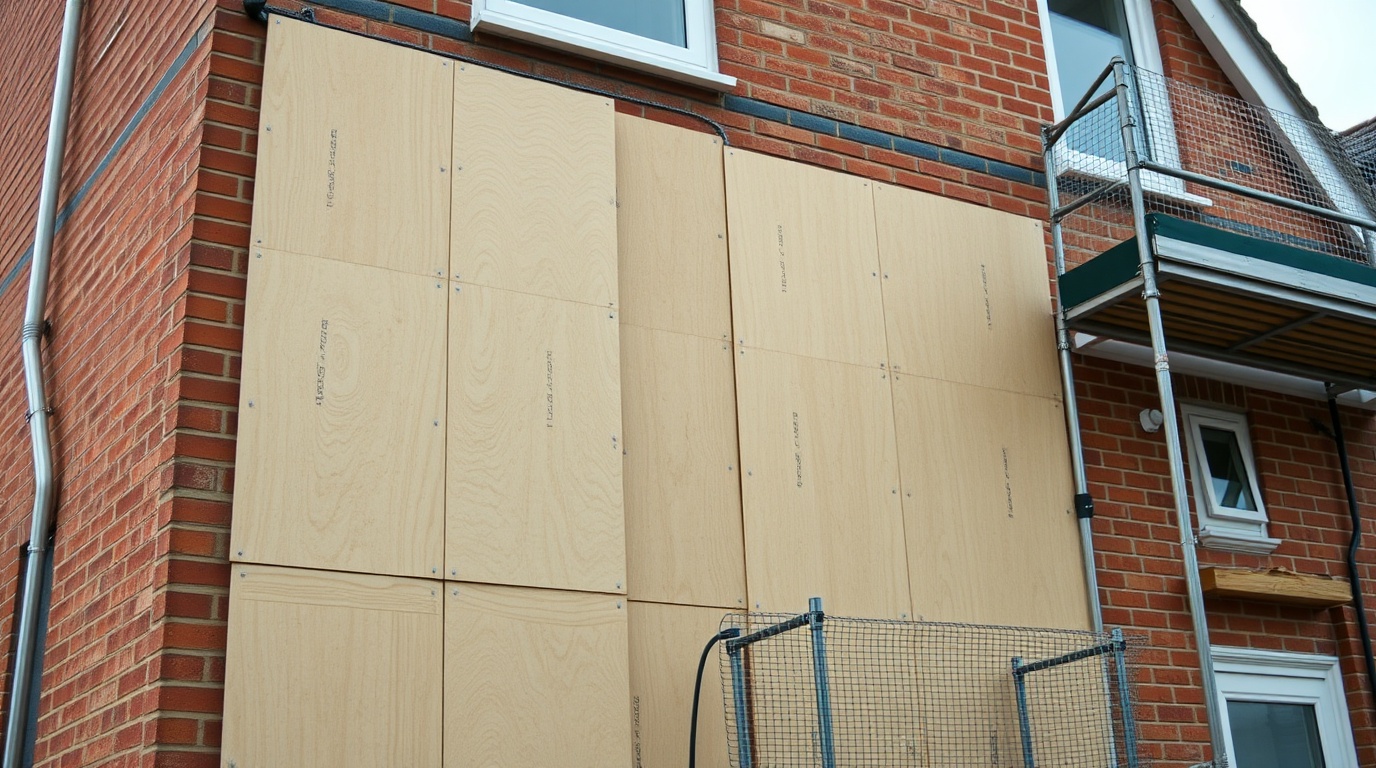
External wall insulation wraps the outside of the house, so it keeps the walls warm, avoids losing internal space, and can be done while you live there — but it changes the external appearance and needs scaffolding. Internal wall insulation lines the inside of external walls; it is often a little cheaper per square metre but it slightly reduces room sizes, is more disruptive room by room, and needs careful moisture detailing. For most solid-wall houses EWI is the more common choice, with IWI used where the outside must be left unchanged, such as some flats and period frontages.
| Approach | Typical cost | Trade-offs |
|---|---|---|
| External (EWI) | ~£90–£150 / m² | no lost space; changes external look; needs scaffold |
| Internal (IWI) | often a little lower / m² | reduces room size; disruptive; moisture detailing key |
Indicative UK figures for guidance; costs depend on your property. Sources: Energy Saving Trust and trade guides.
Why solid walls are the candidates
Homes built before the 1920s usually have solid walls — a single thick layer with no cavity to fill — which lose far more heat than modern cavity walls. That is why solid-wall insulation, external or internal, is the measure that makes the biggest difference on these properties, and why they are prioritised by the grant schemes. If your home is newer with a cavity, cavity wall insulation is a different and usually cheaper measure and is outside the scope of this site.
Frequently asked questions
How much does solid wall insulation cost in the UK?
External solid wall insulation typically costs around £90–£150 per square metre installed, roughly £8,000–£15,000 for a three-bed semi. Internal solid wall insulation is often a little lower per square metre but reduces room sizes and is more disruptive. Grants can apply to either where you qualify.
Is external or internal wall insulation better?
It depends on the home. External keeps the walls warm and avoids losing internal space, which suits most houses, while internal can be a little cheaper and suits flats, listed frontages or where the outside must be unchanged. Both need careful moisture detailing.
Which homes have solid walls?
Usually those built before the 1920s, which have a single thick wall with no cavity. They lose far more heat than cavity walls, which is why they are the main candidates for solid wall insulation and are prioritised by grant schemes.
Sources & further reading
Figures on this page are typical UK ranges drawn from published sources and depend on your specific property. They are guidance, not a quotation.