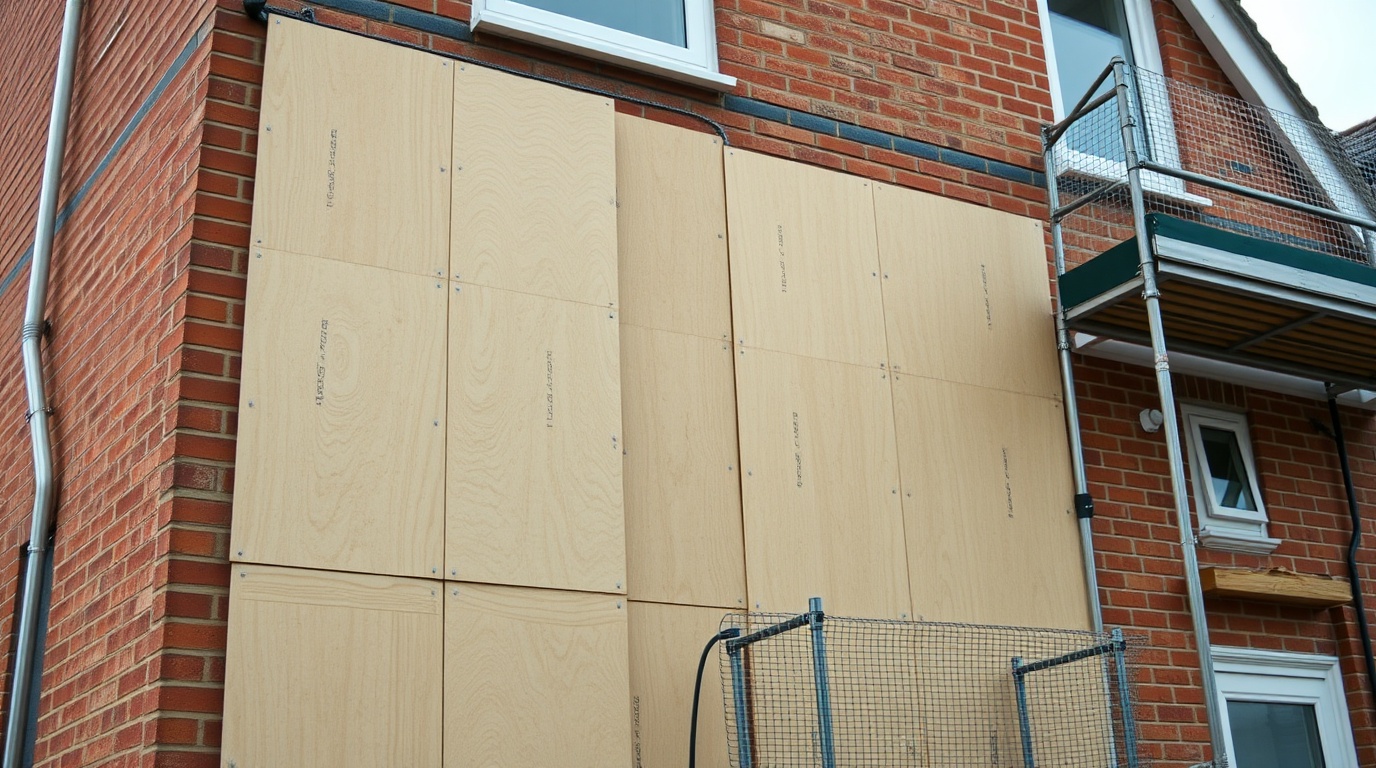
The short answer
Yes — external wall insulation (EWI) reduces heating bills, because it cuts the heat escaping through the walls, which in a typical home is a large share of total heat loss. Solid walls can account for around 45% of a home's heat loss, so insulating them externally usually delivers a meaningful, lasting cut in the energy needed to keep the house warm. In cash terms the saving is commonly a few hundred pounds a year, larger for detached homes and homes on expensive fuels such as electricity or oil, and smaller for mid-terrace homes on mains gas. The reduction is permanent rather than one-off, and it comes with warmer internal surfaces and less risk of condensation, so the comfort improvement is felt as well as the lower bill.
EWI lowers bills by attacking one of the biggest sources of heat loss in older UK homes. How much you save depends on your walls, your house and how you heat it — the detail below explains why.
What drives the bill cut
- Solid-wall heat lossaround 45% of total
- Typical U-value before~2.0 W/m²K (solid wall)
- Typical U-value after~0.30 W/m²K or better
- Biggest cash savingselectric, oil and LPG homes
- Saving typepermanent, year after year
Why the walls matter so much
In an uninsulated solid-wall home, the walls are often the single largest route for heat to escape — more than the roof or windows. That is because solid walls (one brick thick, common in homes built before about 1920) have no cavity to slow the heat, so warmth passes straight through to the cold outside. The Energy Saving Trust puts solid-wall heat loss at around 45% of a home's total, which is why insulating them produces a larger reduction than most other single measures.
EWI works by wrapping the outside of the building in an insulating layer, then finishing it with render or cladding. The masonry stays warm, the heat stays in, and the boiler runs less to hold the same room temperature.
How the reduction shows up on the bill
The size of the cut depends on three things: how much heat your walls lose now, how much of that you remove, and what each unit of energy costs you.
- Heat loss now: an uninsulated solid wall around 2.0 W/m²K loses far more than an insulated wall at roughly 0.30 W/m²K, so the proportional cut in wall heat loss is large.
- Fuel price: the same kilowatt-hours saved are worth more on electricity or oil than on mains gas, so off-gas homes usually see the biggest cash reduction.
- House shape: a detached home with four exposed walls saves more in pounds than a mid-terrace with only two.
| Factor | Effect on the bill cut | Note |
|---|---|---|
| Solid vs cavity wall | Larger for solid | solid walls lose more heat |
| Detached vs terrace | Larger for detached | more exposed wall area |
| Electric/oil vs gas | Larger for electric/oil | higher unit price |
| Insulation thickness | Larger when adequate | must hit a low U-value |
Indicative guidance. Source: Energy Saving Trust solid-wall insulation advice.
What can reduce the saving
The headline figures assume a properly designed and installed system. A few things can shrink the real-world saving:
- Cold bridges: gaps around windows, at the roofline or behind a poorly detailed reveal let heat leak past the insulation.
- Under-specified thickness: too thin a layer fails to reach a low enough U-value.
- Other losses left untreated: if the loft, floor and draughts are ignored, the walls improve but the overall bill still has room to fall further.
Bills, comfort and resale together
A lower bill is the most measurable benefit, but it is rarely the only reason households are glad they did it. Warmer wall surfaces mean rooms heat up faster and hold their temperature longer after the heating goes off, so the house feels more comfortable for the same or lower spend. Because cold internal surfaces are where condensation and mould form, EWI also tends to leave walls drier. And by improving the wall's performance it can lift the property's EPC band, which matters for resale and, for landlords, for meeting minimum energy efficiency standards. Taken together, the bill cut, the comfort and the EPC improvement are usually what make the measure worthwhile.
Frequently asked questions
How much will external wall insulation cut my heating bill?
Typically a few hundred pounds a year, with detached homes and homes on electric, oil or LPG saving most, and mid-terrace homes on mains gas saving least. The exact figure depends on your walls, house size and fuel price.
Does it reduce bills immediately?
The reduction begins as soon as the system is working, so you should notice it across the first full heating season. It is a permanent saving that continues every year, not a one-off.
Will I still save if I have mains gas?
Yes, though usually less in cash terms than a home on electricity or oil, because gas costs less per unit. The percentage reduction in wall heat loss is similar; it is the price of each saved unit that differs.
Sources & further reading
Figures on this page are typical UK ranges drawn from published sources and depend on your specific property. They are guidance, not a quotation.